


Search Colin Content
Search products, consulting content, academy articles, sectoral solutions, technical support questions, documents, files, news and key site pages from a single screen.
126 result(s) found for test kiti.
Academy 27

Why Do Sugar and Stickiness Matter in Cotton? Managing Raw-Material Risk Before Spinning
Sugar load in cotton may not be visually apparent, yet it can contribute to stickiness, machinery contamination, stoppages and process instability in spinning. This article examines sugar sources, reference-lot comparison and how raw-material and production de...
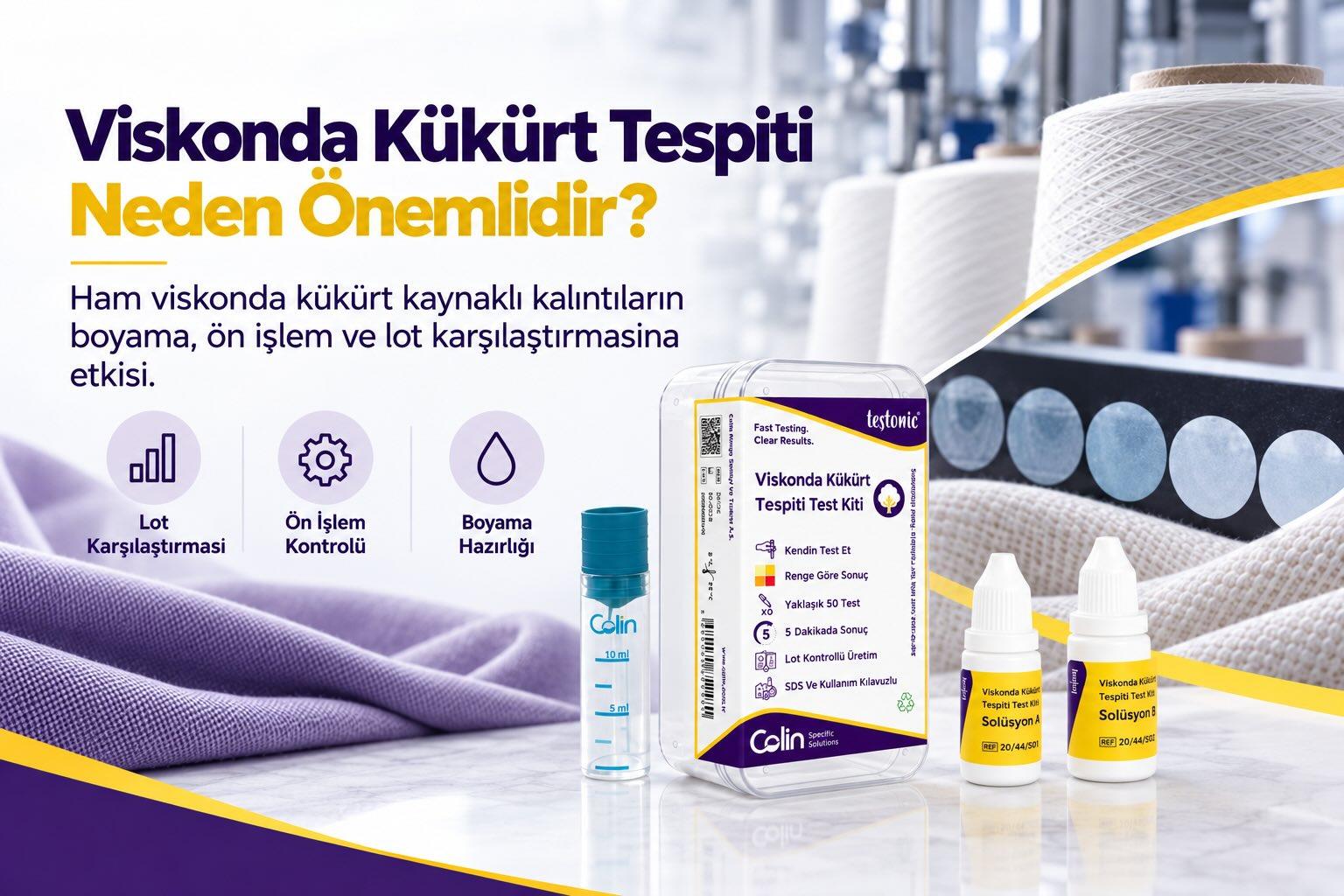
Why Does Sulfur Residue in Viscose Matter? Managing Raw-Material Related Problems in Dyeing and Textile Finishing
Different viscose lots may behave differently even under the same dyeing recipe and process conditions. This article explains why sulfur-related residue differences matter in raw-material acceptance, pretreatment, whiteness, hydrophilicity and dyeing reproduci...

How to Select the Right Test for Metal Analysis and Surface Control
Learn which Testonic product to use for stainless steel grade identification, passivation control, free iron detection, rinsing verification, corrosion monitoring, and metallographic examination.

Rapid Pesticide Screening in Fruits and Vegetables: Which Residues Does the Test Detect, and What Does a Positive Result Mean?
Do rapid pesticide tests on fruits and vegetables detect only surface residues? Which pesticide groups used in Turkey can be screened using AChE-based tests? Can substances other than pesticides—such as heavy metals or other chemicals—also yield positive resul...

Use of Peracetic Acid in Aquaculture Facilities
Peracetic acid can be evaluated as a powerful oxidative disinfectant for hygiene and microbial load control in trout and aquaculture facilities, especially for empty ponds, tanks, nets, scoops, transport tanks, hatchery equipment, drainage lines and biosecurit...

What Is Peracetic Acid? Applications, Literature Overview, Dilution Principles and Colin Product Selection Guide
Peracetic acid is an active oxygen-based compound with strong oxidative activity, widely used in food and beverage processing, CIP systems, surface hygiene, foam cleaning, hygienic bleaching, water treatment and industrial disinfection processes.

What is KH? What should the KH level be in an aquarium? Easy measurement with the Testonic KH Test Kit.
KH (Carbonate Hardness) is one of the most important water parameters determining the buffering capacity of aquarium water against pH changes. Low KH levels can cause sudden pH drops and disrupt water balance. This article details what KH is, why it is importa...

Initial Cleaning and Disinfection Steps in Food Businesses After a Holiday Shutdown
To ensure a safe reopening of food businesses after the holiday period, food contact surfaces, filling lines, CIP/SIP systems, floors, drainage areas, storage areas, and chemical stockpiles must be systematically inspected. This guide explains the initial clea...

Glutaraldehyde Test Kit (Veterinary Use) – Clinical Significance and Rationale for Use
The Glutaraldehyde Test Kit is a veterinary blood test used for the rapid diagnosis of inflammatory diseases. It is ideal for reliable diagnosis in cattle and livestock. Clinical significance and usage details are explained in this article.

How to Choose Industrial Cleaning Chemicals?
In industrial cleaning, the correct product selection should be made by considering the type of dirt, surface structure, application method, rinsing requirements, and process safety together. This guide offers a professional selection approach with Colin Kimya...
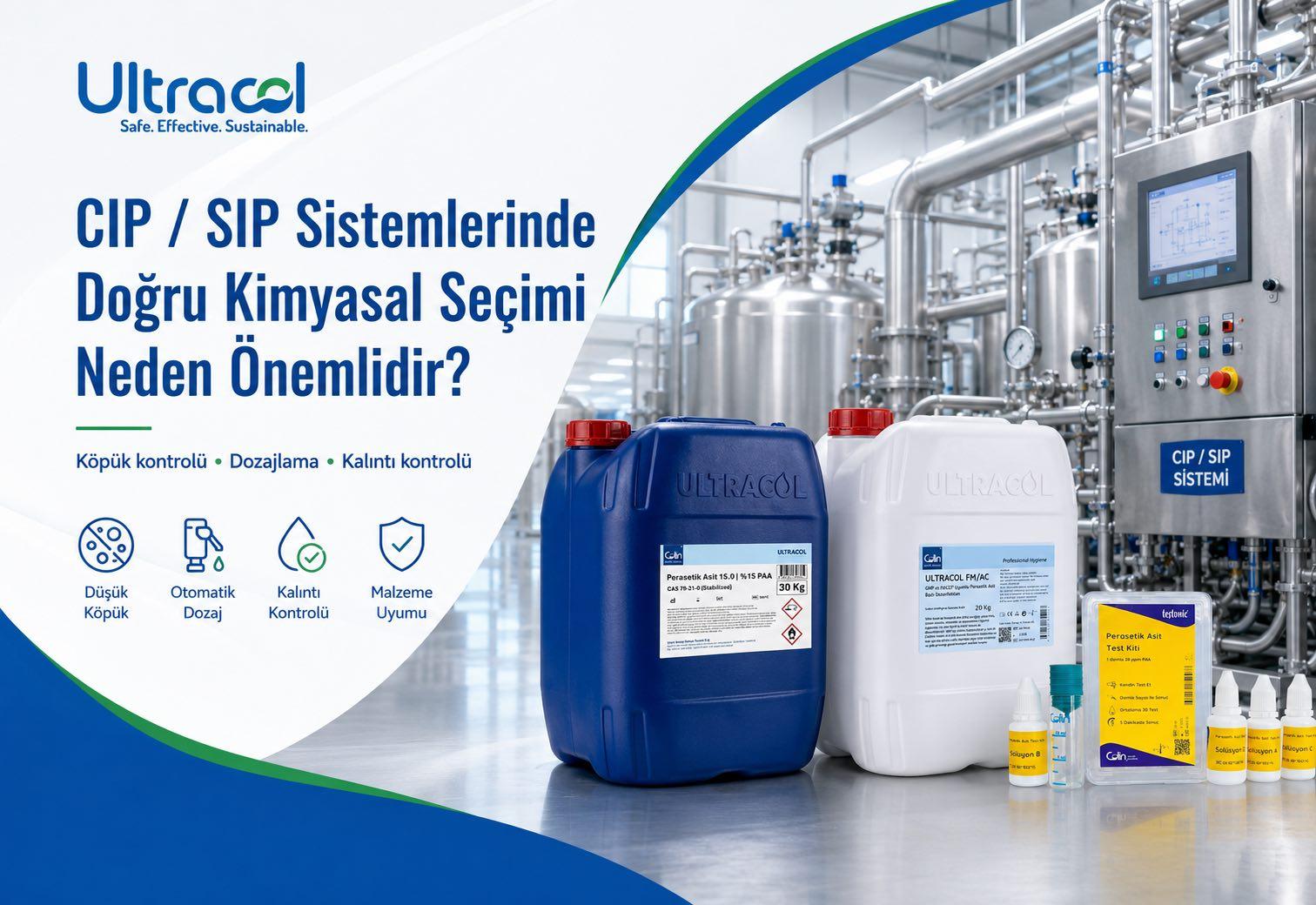
Why Is the Right Chemical Selection Important in CIP/SIP Systems?
In CIP/SIP systems, the correct chemical selection is critical for foam control, automated dosing compliance, material durability, active ingredient monitoring, and residue control. This guide explains a professional hygiene approach using peracetic acid-based...
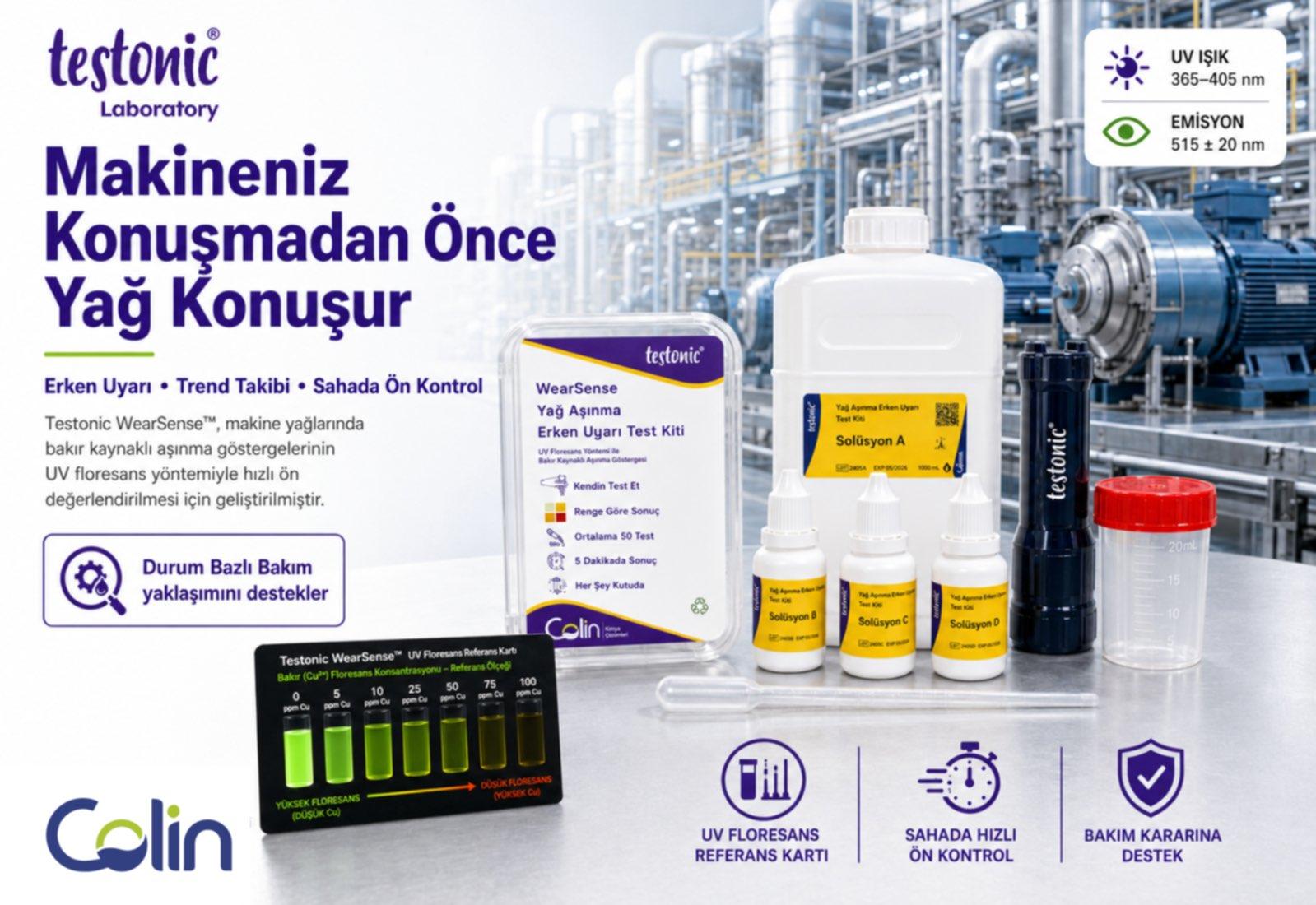
Oil Speaks Before Your Machine Does: Oil Wear Monitoring with Testonic WearSense™
In industrial machinery, wear that begins on bearings, bushings, gears, and friction surfaces is often not detected at the early stage through noise, vibration, or performance loss. However, these microscopic wear processes may be carried into the lubricant as...

Detergent Residue Test Kits | Which Test Kit to Use When?
This article explains which detergent or chemical residue test kit to choose in which situation, how to make the right selection based on product label and MSDS information, and addresses the most common scenarios in practice in a language understandable to th...

Safe Hygiene for Washing Fruits and Vegetables | Detox Pro & 15% PAA
Detox Pro and 15% peracetic acid provide safe cleaning and disinfection for fruits and vegetables.

The Hidden Cause of Post-Dyeing Stains and Shade Differences: Polymer Residues
While the polymers used in textile production (PVA, PVAc, acrylate, CMC) improve quality under the right conditions, improper use can lead to stains, hardness, and tone variations on the fabric surface. The Testonic Stain Analysis Kit reveals the source of suc...

Ensuring Hygiene in CIP/SIP Processes: Residue-Free Solutions with Ultracol Chemicals and Testonic Control Kits
Ensure hygiene in CIP/SIP processes for catering and food production with Ultracol cleaning chemicals and Testonic control kits. Achieve residue-free cleaning, reliable disinfection, and full compliance with HACCP and ISO standards.

Common Problems in Textile Finishing and Dyeing & How to Solve Them: Don't Leave Your Quality to Chance!
Textile dyeing and finishing processes are based on a delicate balance. As a seasoned dyehouse manager or engineer, you know all too well how costly and time-consuming problems like tone variations between batches, unexpected stains, low whiteness, or poor fas...

Process Control in Textile Finishing and Dyeing Processes: Troubleshooting Guide with Testonic Test Kits
Textile finishing and dyeing processes are complex chemical processes that directly impact final product quality. Many problems encountered in these processes, such as color variations, stains, and insufficient hydrophilicity, are often caused by uncontrolled ...

Why All Steels Are Not the Same: The Critical Role of Metal Analysis in Chemical Production
Not all steels are the same. This article explains how stainless steel grade affects chemical manufacturing and how Testonic Metal Analysis Kits allow rapid on-site verification.

Ensure Cotton Quality with Sugar Testing – Structural Analysis by Testonic
Discover the impact of reducing sugar residues in raw cotton. Classify cotton, verify scouring requirements, and control textile processes with reliable field testing.

What is Peracetic Acid? Where and How is it Used?
What is peracetic acid, what are its uses, what are its advantages and disadvantages compared to other disinfectants? A comprehensive guide to peracetic acid test kits with detailed information on the chemical structure and stabilization of peracetic acid.

Effect of Sizes and Size Test Kit Used in the Production of Cotton, Viscose and Modal Fabrics on Dismantling Processes
This article covers in detail the types of sizes used in cotton, viscose and modal fabric production and how each size is removed from the fabrics. The use of a size test kit (Starch/PVA/PVAc/CMC/Acrylate) can increase the effectiveness of desizing processes a...

Test kits for chemical residue control after disinfection
After the disinfection and hygiene process, it is important to detect residues of disinfectants / cleaners.

Identification of Surfactant Raw Materials: A Critical Step in Industrial Processes
Surfactant (or surfactant) means surfactant. These substances are chemical components that regulate the interaction between two different phases, such as water and oil. They are often found in cleaning products, detergents, shampoos, cosmetics and industrial a...

Example of sizing work on a fabric
Permeate and fabric images resulting from a study with our size test kit

How to choose chemical residues after washing and the appropriate test kit?
In industrial washing processes, how should our test sets be selected to be used for the detection of chemical contaminants remaining on the material or the washing machine after washing?

Problems Occurred in the Presence of Copper in Cotton Dyeing and Determination of Copper
Test suggestion to prevent possible problems by detecting copper in dyeing waters and cotton.
